Paroxysmal Nocturnal Hemoglobinuria (PNH)
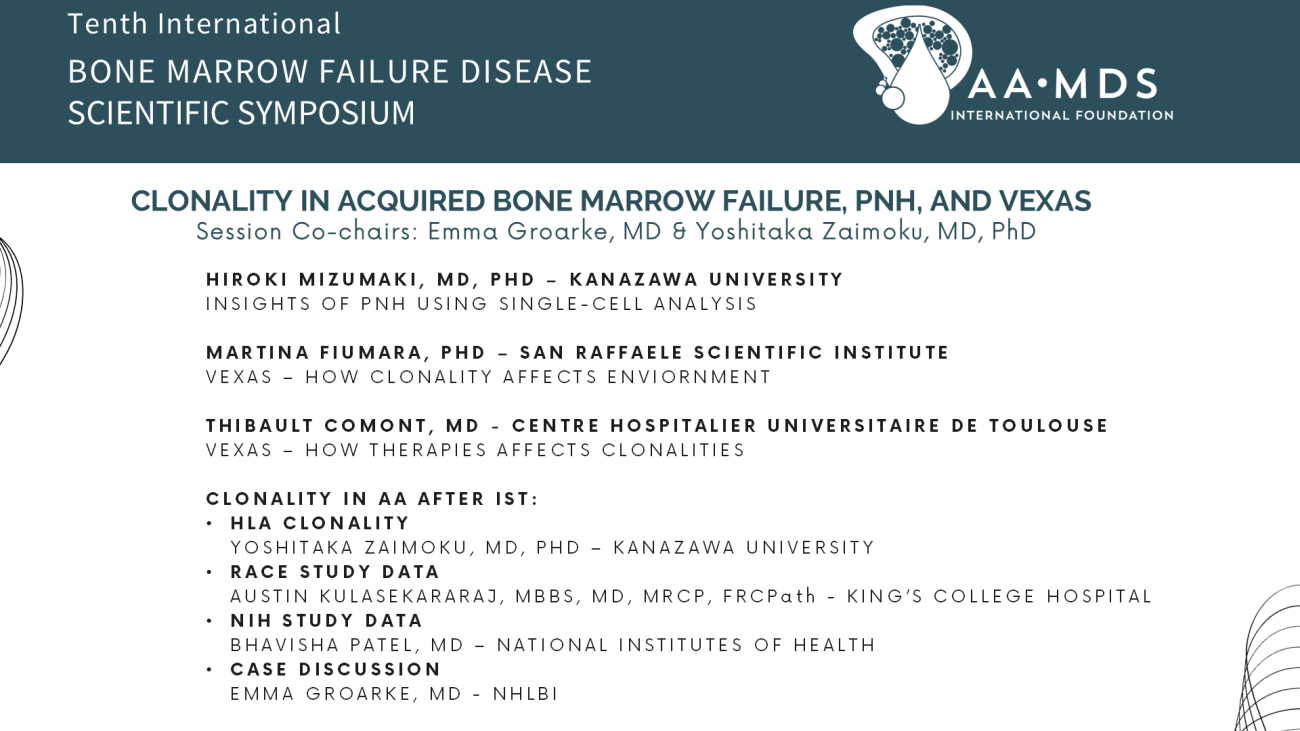
Non-Transplant Therapies for Marrow Failure, AAMDSIF 2026 International Bone Marrow Failure Scientific Symposium
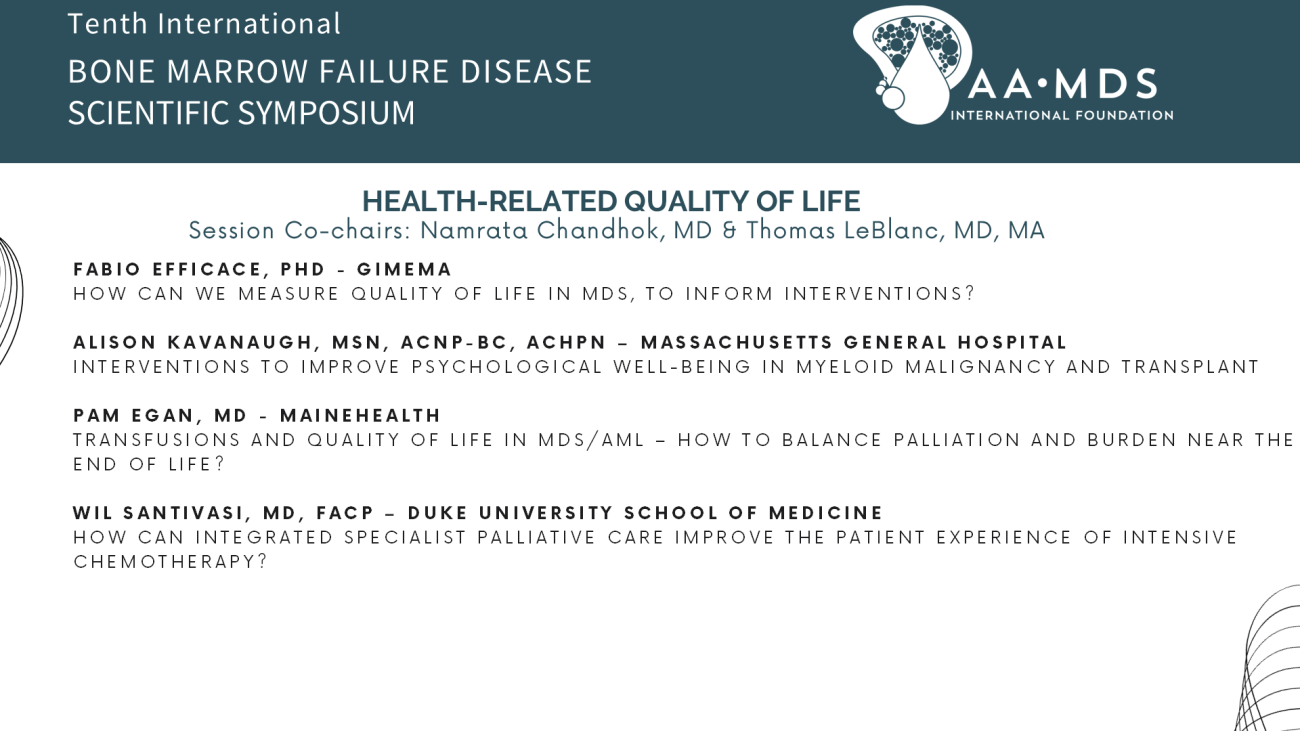
Clonality in Acquired Bone Marrow Failure, PNH, and VEXAS, AAMDSIF 2026 International Bone Marrow Failure Scientific Symposium
Urge Your U.S. Senators to Support the Bipartisan Letter to Increase Medical Research Accounts in the DoD
Imputing causality and clonal dynamics from single-cell transcriptomics in paroxysmal nocturnal hemoglobinuria
Abstract Paroxysmal nocturnal hemoglobinuria (PNH) originates from hematopoietic stem cells (HSCs) harboring somatic mutations in the phosphatidylinositol glycan class A (PIGA) gene. Clonal expansion of PIGA-mutated cells occurs uniquely in the setting of bone marrow (BM) failure…
Real-World Effectiveness and Safety of Ravulizumab in Patients With Paroxysmal Nocturnal Hemoglobinuria: Evidence From the International PNH Registry
Ravulizumab, a second-generation complement component 5 inhibitor (C5i) derived from eculizumab eculizumab:
Switching patients with PNH from pegcetacoplan to iptacopan: a case series
Objectives: Limited published data exist on switching therapy from pegcetacoplan pegcetacoplan:
Furha Cossor, M-D
Furha Cossor, MD, is a board-certified oncologist and hematologist with Saint Luke's Cancer Specialists. Dr. Cossor has a special interest in multiple myeloma, leukemia, lymphoma, myelodysplastic syndrome, and myeproliferative neoplasms.
Anand B. Karnad, MD
My career since completing my fellowship training in Hematology and Medical Oncology at Boston City Hospital has been devoted to being a clinician-educator passionate about clinical trials as the best option for care. I have led Divisions of Hematology-Oncology at ETSU and at UT Health San Antonio and have played leadership roles in the Cancer Centers at both institutions. My current career focus is on hematology (blood disorders) spanning classical (or benign) hematology and all related pre-malignant and malignant disorders of the blood, bone marrow, lymph nodes, and immune system.
Ludovica Marando, MD
Dr. Marando is a Hematologist in Houston, Texas. Dr. Marando is a dedicated hematologist who is passionate about understanding the mechanisms that govern somatic clonal mosaicism within the hematopoietic stem cell compartment and the factors that govern progression into overt myeloid neoplasms. I do firmly believe that a better understanding of these mechanisms can lead to a shift in treatment paradigms: prevention of deadly hematological cancers.