Brianna had always been a healthy young girl. We initially noticed some rather minor things with her but did not know at first how serious they were. She had low-grade fevers that went away during the day, but came back in the evening morning and there was her first-ever nosebleed. She missed school for a few days, so we saw her doctor. There is also a clotting disorder that run in our family – so I also wanted her to be checked for this because she had reached age where this should happen.
So the usual blood tests were run and through that the problem was discovered. The next day the office called back, saying we needed to go to the emergency room right away. They wanted confirming blood tests run, and when we arrived there was a medical team waiting. We learned that depending on what results came back, she might have to go right Children’s Hospital in Washington, DC – and this was what happened. There was more blood work when we arrived, but still no clue what the problem was – but she was immediately receiving transfusions!
The hematologist hematologist: (hee-muh-TOL-uh-jist) A doctor who specializes in treating blood diseases and disorders of blood producing organs. told us a bone marrow biopsy bone marrow biopsy: A medical procedure to remove a small piece of solid bone marrow using a needle that goes into the marrow of the hip bone. The solid bone marrow is examined for cell abnormalities, the number of different cells and checked for scarring of the bone marrow. was needed and there was a possibility of leukemia as the worst-case event. Our hearts sank. After the biopsy, came her diagnosis of severe aplastic anemia aplastic anemia: (ay-PLASS-tik uh-NEE_mee-uh) A rare and serious condition in which the bone marrow fails to make enough blood cells - red blood cells, white blood cells, and platelets. The term aplastic is a Greek word meaning not to form. Anemia is a condition that happens when red blood cell count is low. Most… .
Instead of immediately looking for a matched donor for a transplant, Brianna was immediately put on horse ATG and cyclosporine cyclosporine: Cyclosporine is used along with antithymocyte globulin (ATG), another immunosuppressant, for treating aplastic anemia and some other forms of bone marrow failure. . We spent two weeks at Children’s Hospital in DC. At three months, there was very little response, but we knew this was quite possible. Our full time doctor and nurse from Childrens’ Hospital were now in the hospital’s satellite office in Rockville, MD. For the first several months, we had to make trips to the area two or even three times a week for blood draws, transfusions, and overall evaluation.
At this point, we met with a transplant team but that option scared us and we weren’t quite ready to go with a matched unrelated donor . One was found, but it was a much older person at the upper limit of what is allowed for donors. She finally responded well to ATG at about six months, plus we had heard about the new option with treatment with eltrombopag eltrombopag: What are the possible side effects of eltrombopag (Promacta)? Get emergency medical help if you have any of these signs of an allergic reaction: hives; difficult breathing; swelling of your face, lips, tongue, or throat. Stop using eltrombopag and call your doctor at once if you have: … .
The only reason she could not join the eltrombopag clinical trials clinical trials: Clinical research is at the heart of all medical advances, identifying new ways to prevent, detect or treat disease. If you have a bone marrow failure disease, you may want to consider taking part in a clinical trial, also called a research study. Understanding Clinical Trials Clinical… was that her cyclosporine levels were not in the range required for this to happen.
But her blood counts have improved and she’s been transfusion-free for nearly a year. With lower white blood cell white blood cell: Cells in the body that fight disease and infection by attacking and killing germs. There are several types of white blood cells including neutrophils, eosinophils, basophils, lymphocytes and monocytes. Each type of cell fights a different kind of germ. Also called WBC, leukocyte. counts there are still challenges with potential infections, she still becomes fatigued. There has been progress and some setbacks but we are optimistic in general, especially because of the excellent treatment she has received.
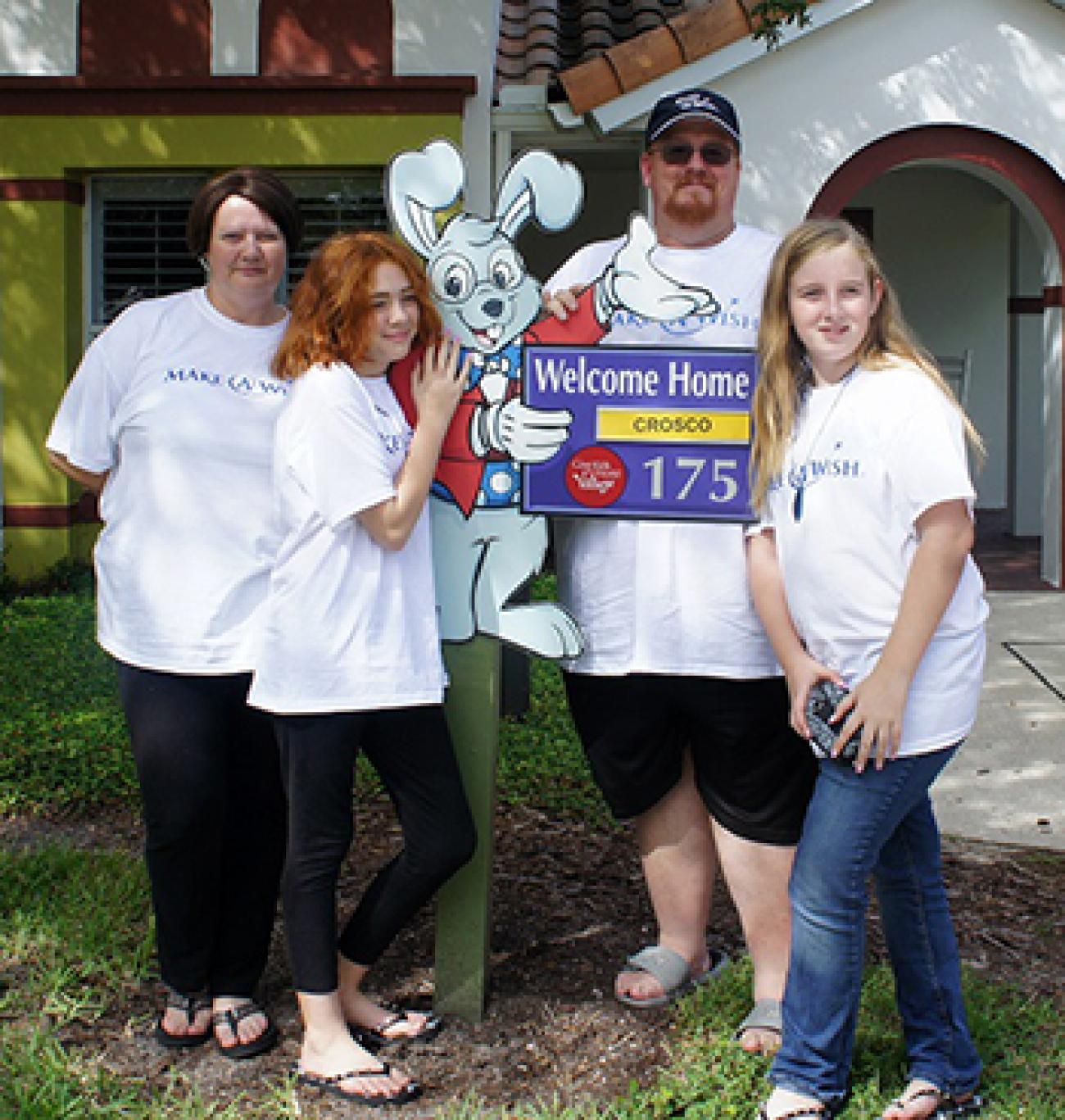
Still, Brianna has been through a lot and one nice thing that happened for her was a trip for her to Disneyworld, provided by the Make-a-Wish Foundation. At first, I resisted applying for this, knowing it’s very often for kids with life-threating or even terminal conditions, but applied and was pleased to have our request granted. We had a great 5-day visit, staying at the Give Kids the World Village and one of her friends came along!