Aplastic anemia Aplastic anemia: (ay-PLASS-tik uh-NEE_mee-uh) A rare and serious condition in which the bone marrow fails to make enough blood cells - red blood cells, white blood cells, and platelets. The term aplastic is a Greek word meaning not to form. Anemia is a condition that happens when red blood cell count is low. Most… entered my life when I was 20 years old. I was visiting my grandmother in Delaware when I first noticed some of the symptoms. I was feeling fatigued and was getting little pinpoint bruises all over my legs, now knowing it was petechiae petechiae: (puh-TEE-kee-ie) Small, flat red or purplish spots on the skin, caused by bleeding. It is often a symptom of a low platelet count. . I went to the doctor – no blood work was done at first, but I returned a few weeks later because the fatigue had become extreme. At this time, I was starting to suspect some sort of anemia anemia: (uh-NEE-mee-uh) A condition in which there is a shortage of red blood cells in the bloodstream. This causes a low red blood cell count. Symptoms of anemia are fatigue and tiredness. , where I could barely get up without being out of breath and my therapist pointed out to me I had very pale lips and skin color.
This time I asked for blood work. After blood work was done, my primary care doctor called right back to say to go to the emergency room at Children’s Hospital in Boston and that I should not drive there myself. She also called my mother and explained she thought I had leukemia or a bone marrow failure bone marrow failure: A condition that occurs when the bone marrow stops making enough healthy blood cells. The most common of these rare diseases are aplastic anemia, myelodysplastic syndromes (MDS) and paroxysmal nocturnal hemoglobinuria (PNH). Bone marrow failure can be acquired (begin any time in life) or can be… . After getting to the hospital, the ER hematologists spoke with me about leukemia and sent me in for an emergency bone marrow biopsy bone marrow biopsy: A medical procedure to remove a small piece of solid bone marrow using a needle that goes into the marrow of the hip bone. The solid bone marrow is examined for cell abnormalities, the number of different cells and checked for scarring of the bone marrow. . That bone marrow biopsy confirmed aplastic anemia.
The next step was to see if my brother was an HLA HLA: See human leukocyte antigen. match for possible transplantation and to check my family to see if this was aplastic anemia of a genetic origin. My brother was not a match, which they had prepared me for since it’s only 25% chance, so the treatment team decided to go with the standard treatment of horse ATG and cyclosporine cyclosporine: Cyclosporine is used along with antithymocyte globulin (ATG), another immunosuppressant, for treating aplastic anemia and some other forms of bone marrow failure. .
This treatment started two months after the diagnosis and I had good results from it. I responded quickly with very few complications. After about a year we started the weaning process from cyclosporine because I was doing so well. About 6 months later, after I had finished being taken off the treatment, it was observed by my endocrinologist during our yearly routine visit that my blood counts had dropped again. I went back to my hematologist hematologist: (hee-muh-TOL-uh-jist) A doctor who specializes in treating blood diseases and disorders of blood producing organs. , who confirmed through more tests and another bone marrow biopsy that I had relapsed.
At this point, she decided that an unrelated bone marrow transplant bone marrow transplant: A bone marrow transplant (BMT) is also called a stem cell transplant (SCT) or hematopoietic stem cell transplant (HSCT).The procedure replaces unhealthy blood-forming stem cells with healthy ones and offers some patients the possibility of a cure. But for many patients, a BMT is not an option due… was the next step. A search was begun, taking a full three months because of the DNA in my blood and the DNA in my marrow were different, which happens in some patients. After a few failed attempts of searching the registry my hematologist searched the national registry finding a man in Germany who was a fully matched unrelated donor and who was willing to donate.
I knew the pre-transplant preparation involving chemotherapy chemotherapy: (kee-moe-THER-uh-pee) The use of medicines that kill cells (cytotoxic agents). People with high-risk or intermediate-2 risk myelodysplastic syndrome (MDS) may be given chemotherapy to kill bone marrow cells that have an abnormal size, shape, or look. Chemotherapy hurts healthy cells along with… and radiation would not be pleasant, but I also wanted to take steps to preserve my fertility. So, I had some of my eggs retrieved and preserved, and a hormone hormone: A part of the endocrine system that serves as the body's chemical messengers. Hormones move through the bloodstream to transfer information and instruction from one set of cells to another. suppressant was also part of this process to stop my period and protect my ovaries.
I found the radiation affected me more than the chemotherapy causing extreme fatigue. I slept most of my 30-day hospital stay. Horse ATG was again part of the treatment and this time I had a severe allergic reaction to it. After a day in the ICU they switched the horse ATB to rabbit ATG and the rest of the process went smoothly.
It’s hard to recall the transplant experience itself since I was so exhausted, but the transplant took place in the early hours of the morning, a had a smaller than “normal” bag (normal by what I had seen in others photos) They had to remove most of the hemoglobin hemoglobin: A protein in the red blood cells. Hemoglobin picks up oxygen in the lungs and brings it to cells in all parts of the body. since my donor was not a blood type match and I have had blood transfusion blood transfusion: A procedure in which whole blood or one of its components is given to a person through an intravenous (IV) line into the bloodstream. A red blood cell transfusion or a platelet transfuson can help some patients with low blood counts. reactions in the past.
After the transplant, it took a full two weeks before any small indication of engraftment engraftment: Refers to how well a graft (donor cells) is accepted by the host (the patient) after a bone marrow or stem cell transplant. Several factors contribute to better engraftment - physical condition of the patient, how severe the disease is, type of donor available, age of patient. Successful… was seen. I was released when the treatment team felt my blood counts had risen to safe levels. I did engraft quickly but still had restrictions and had to wear a mask anytime I was in public or near other people. But I was removed off restrictions quickly since my body had responded so well to my bone marrow transplant.
If I have any advice to give to newly diagnosed patients it is to be present and attentive. Be a part of the process no matter how difficult it may be. Ask questions and try and stay informed. Create emotional support whether through family, or professionally through therapy. It is important to remain positive through this experience -- even when you feel it is impossible. I too, sometimes felt it was impossible but always tried to stay positive and just try and conquer each day as it came.
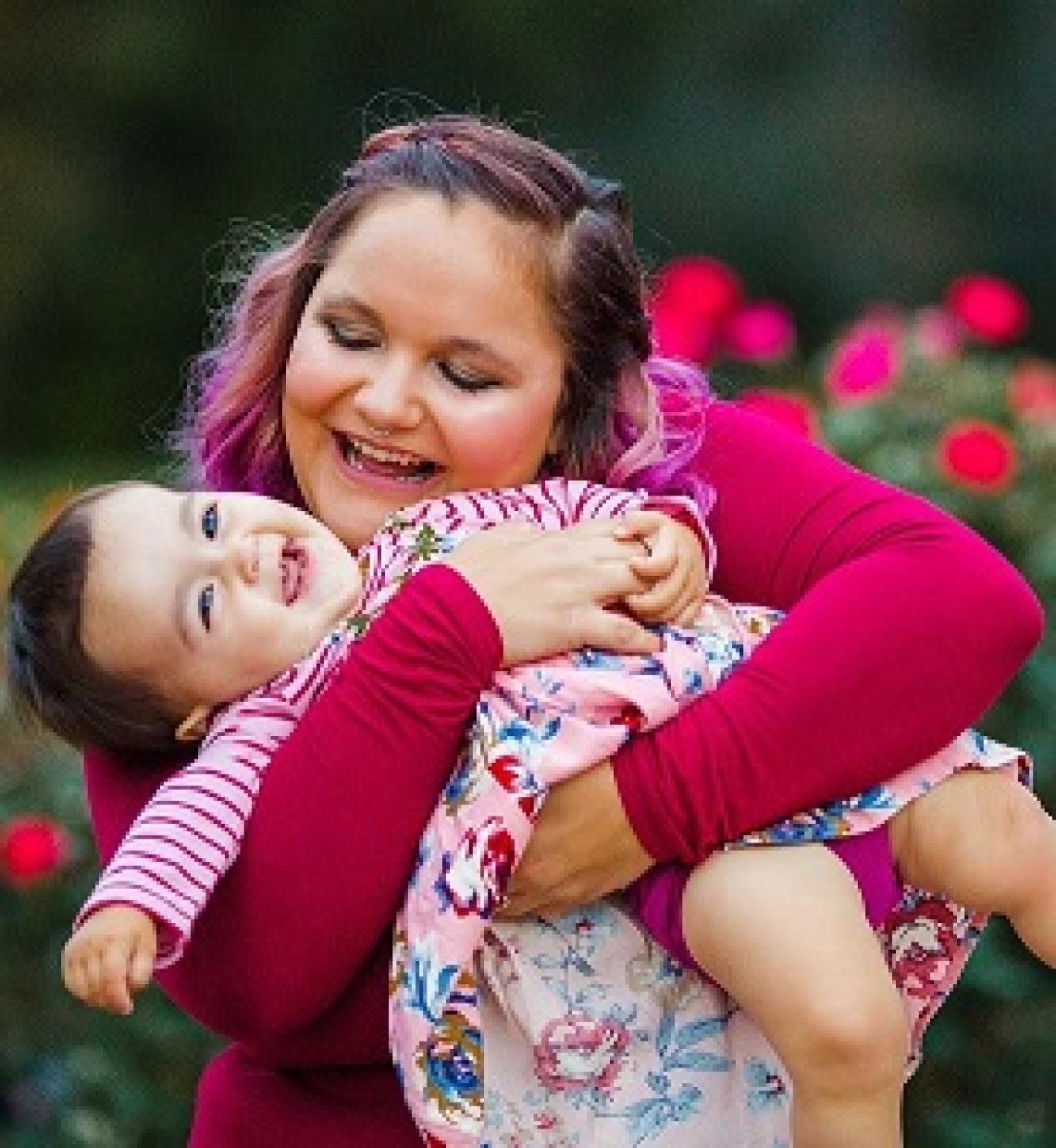
Like many others, I do think of my transplant day as my ‘new birthday’, and it’s been almost 5 years now. My fertility was miraculously not affected since I was able to conceive and deliver a baby who will now be 2 and a half as of November 2018.